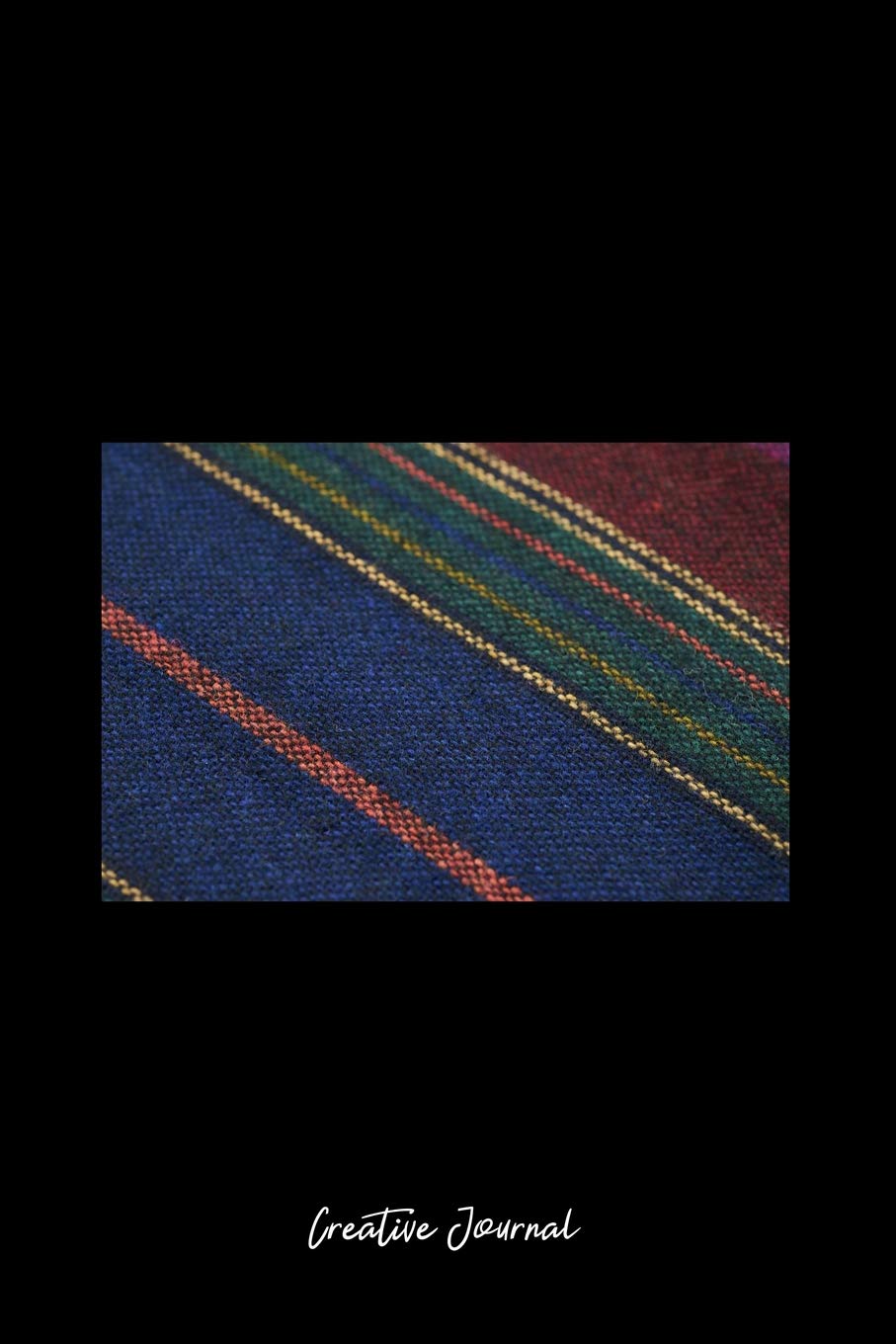
Textured clothing patterns add dimension and tactile interest to fashion designs through both physical fabric manipulation and visual printing techniques. Designers create these effects using methods like jacquard weaving, embossing, flocking, or digital prints that simulate three-dimensional textures. Popular textured patterns include faux animal skins, knitted simulations, abstract topographic maps, and distressed vintage effects. These patterns work particularly well for transitional seasons when visual weight becomes important in fabric selection. High-end fashion incorporates textured patterns through intricate beading or embroidery, while fast fashion achieves similar effects through advanced printing technologies. When designing textured clothing patterns, consideration of how the pattern interacts with garment drape and movement ensures the final product maintains its visual appeal during wear.